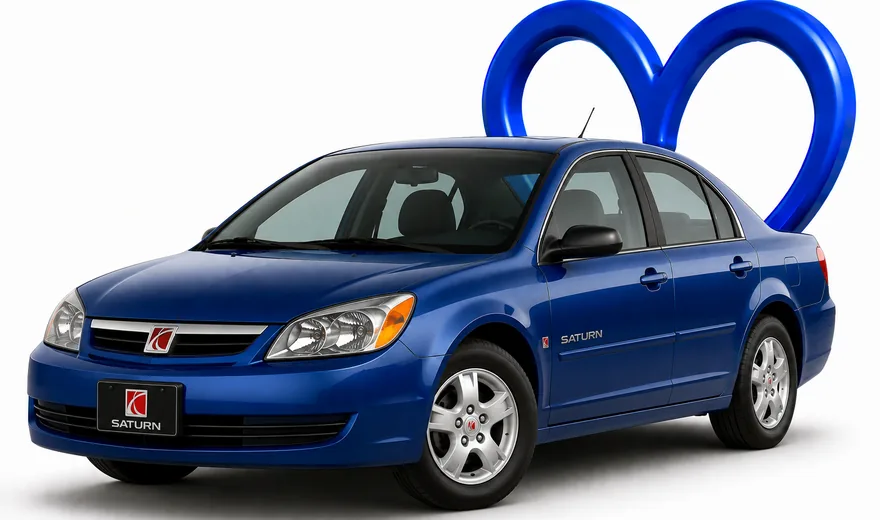
Older vehiclesInsuring a Saturn that is no longer built
A dead badge is not a coverage problem. Carriers rate the vehicle in front of them, and a Saturn has a year, a body style and a repair cost like anything else. What changes is the value — and value is what decides how much coverage is worth carrying.
Liability does not care how old it is; the damage you do to someone else is the same either way. Collision and comprehensive are the parts that age out, and the calculator above is the honest way to find that line.
FinancingIf it is financed or leased, you have less choice
Financed and paid-off vehicles are two different conversations. On a financed Saturn the lienholder sets the floor: full coverage, them named on the policy, no negotiating. Everything on this page about whether collision still earns its place applies to the day the loan ends, not before.
Ask about the shortfall between the loan balance and the vehicle value while you are at it. Early in a loan that gap can be thousands, and a total loss is exactly when you find out.
TheftTheft, and what it does to comprehensive
Theft risk is rated on the specific model and year, not the brand, and it moves. A model can go from unremarkable to widely targeted within a couple of years, and carriers react faster than owners do.
If your Saturn is on a commonly targeted list, two things are worth doing: ask whether any manufacturer anti-theft update applies to your vehicle, and ask your carrier whether having it done changes anything. Sometimes it does.
About the brandWho makes Saturn, and why it barely matters
Saturn is part of General Motors, American in origin. Saturn ended in 2010. Parts still exist through GM channels, but availability is the thing to ask about before insuring one for more than liability.
Corporate ownership is interesting and almost irrelevant to your policy. Carriers rate the vehicle in your driveway — its year, its trim, what it costs to repair — not the group that owns the badge. The saturn range runs from suvs to cars, which shapes a quote far more than the parent company does.